
As 2024 comes to a close, the U.S. government has announced the release of $1,400 stimulus checks targeted at individuals who missed out on prior payments. While this news has sparked mixed reactions, it highlights broader economic concerns around government spending, inflation, and social support systems.
Who Qualifies for the $1,400 Stimulus Checks?
The IRS recently announced that approximately 1 million taxpayers who did not claim their 2021 Recovery Rebate Credit are eligible for this payment. These checks will be automatically distributed, so recipients are not required to file any additional paperwork. However, this move has generated significant debate.
The Controversy Surrounding the Stimulus Payments
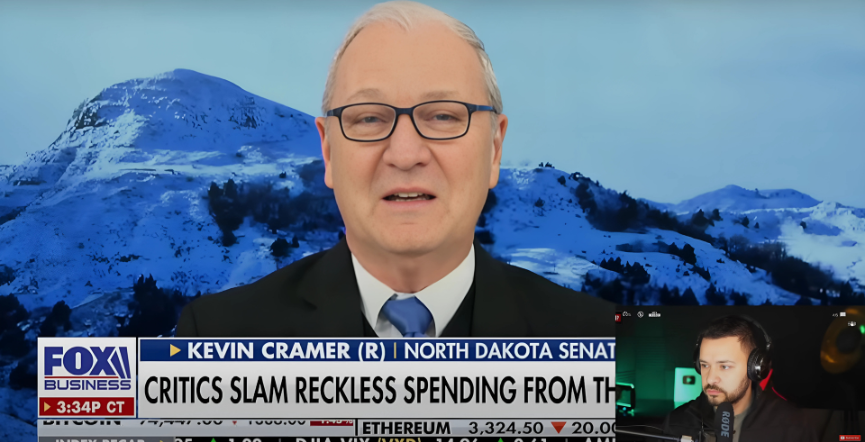
While some view these payments as a lifeline for struggling households, others criticize their timing and potential impact on the economy. Critics, including prominent figures like Elon Musk, argue that such spending contributes to inflation, with some claiming it’s a politically motivated decision as the administration transitions power.
Key Concerns Raised:
- Inflation Worries: Critics argue that injecting billions into the economy could exacerbate inflation, further driving up costs for essential goods and services.
- Fairness and Timing: Many question why these payments are being issued years after the pandemic ended, while other pressing issues like Social Security reforms remain unresolved.
Economic Impacts and Inflation
Economists are divided on the effect of stimulus payments on inflation. While some argue that increased government spending can overstimulate demand and drive up prices, others believe that the root causes of inflation lie in supply chain disruptions and other factors beyond stimulus payments.
Elon Musk’s Perspective: Musk has been vocal about his belief that excessive government spending functions as an indirect tax on citizens, leading to higher prices and decreased purchasing power. This aligns with broader critiques that fiscal policies during the pandemic created a ripple effect of inflationary pressures.
What About Social Security?
Amid the focus on stimulus payments, concerns about Social Security remain at the forefront. The Social Security Fairness Act, aimed at rectifying issues like double taxation and outdated cost-of-living adjustments, has yet to be signed into law despite bipartisan support. With 2.8 million Americans standing to benefit, delays in addressing these issues are causing frustration among retirees and fixed-income beneficiaries.
What Happens Next?
With $300 billion in unspent COVID-19 relief funds still available, debates continue about how to allocate these resources effectively. Some suggest repurposing the funds for infrastructure or economic reforms, while others advocate for additional direct payments to citizens.
