
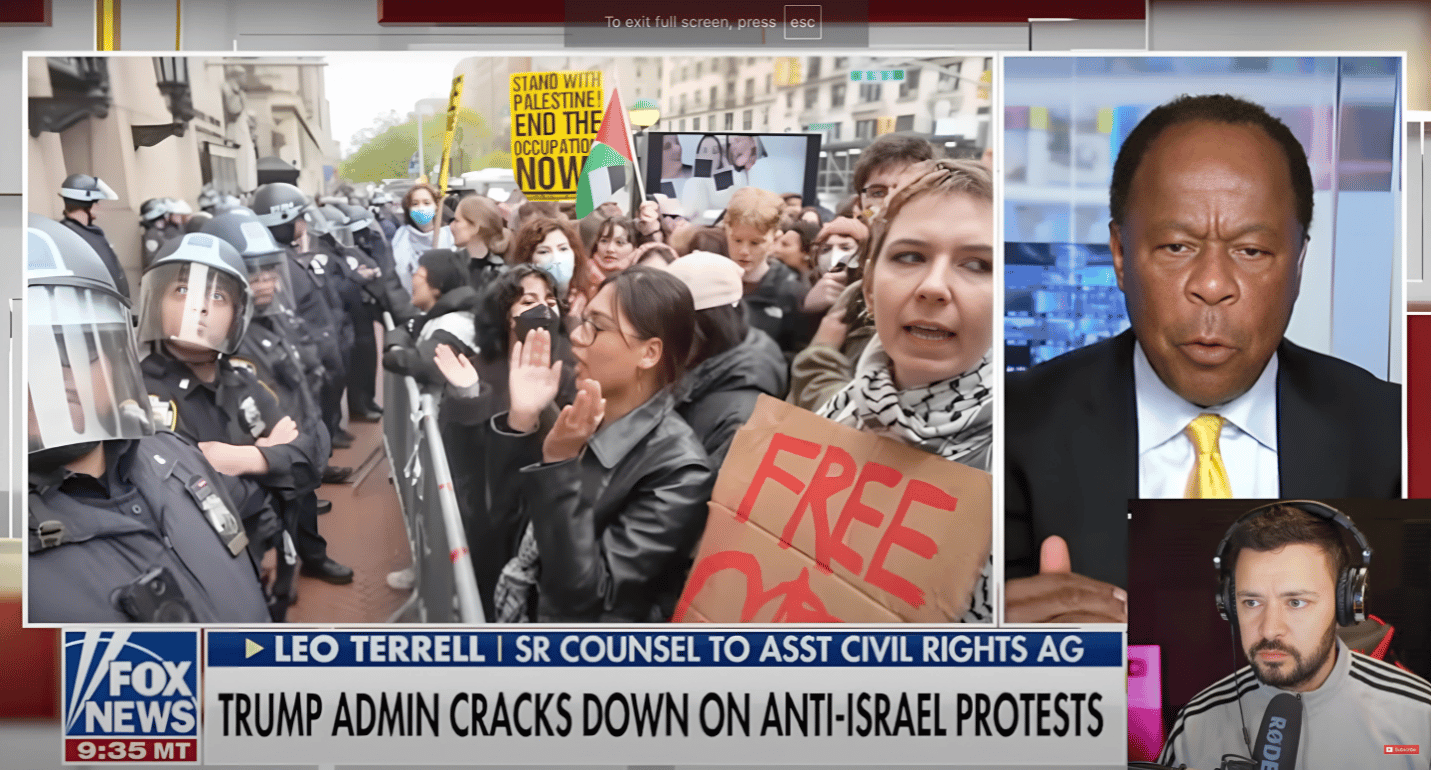
The Trump administration has launched a targeted deportation effort against pro-Hamas activists on college campuses across the United States. The initiative focuses on foreign nationals on student visas who are deemed to be supporting terrorist organizations or engaging in anti-American and anti-Semitic activities.
1. First Target: Muhammad Khalil
The first high-profile case involves Muhammad Khalil, a Colombian University graduate and green card holder, who was arrested by ICE and is being investigated as a potential national security threat. Khalil has been a prominent figure in anti-Israel protests and has allegedly made inflammatory statements supporting Hamas.
2. Legal Grounds for Deportation
Legal experts argue that Khalil’s deportation is justified under several provisions:
– Visa holders can be deported if their activities pose serious foreign policy consequences
– Supporting terrorist organizations is grounds for removal
– Violating campus conduct codes can impact immigration status
3. Political Response
While Democrats, including Representative Rashida Tlaib, have called for Khalil’s release, the Trump administration remains firm. House Speaker Mike Johnson described the campus protests as dangerous and emphasized the need to protect students’ safety.
4. Broader Implications
The administration suggests this is just the first of many deportations, signaling a comprehensive approach to addressing what they view as threats to national security on college campuses.
Controversies and Considerations:
– First Amendment rights versus national security
– Defining the line between free speech and supporting terrorist organizations
– The privilege of student visas versus constitutional protections
The deportation efforts have sparked intense debate about free speech, campus safety, and the treatment of foreign students involved in political activism. As the situation develops, the Trump administration appears committed to a hardline approach in addressing what they perceive as dangerous campus rhetoric.
